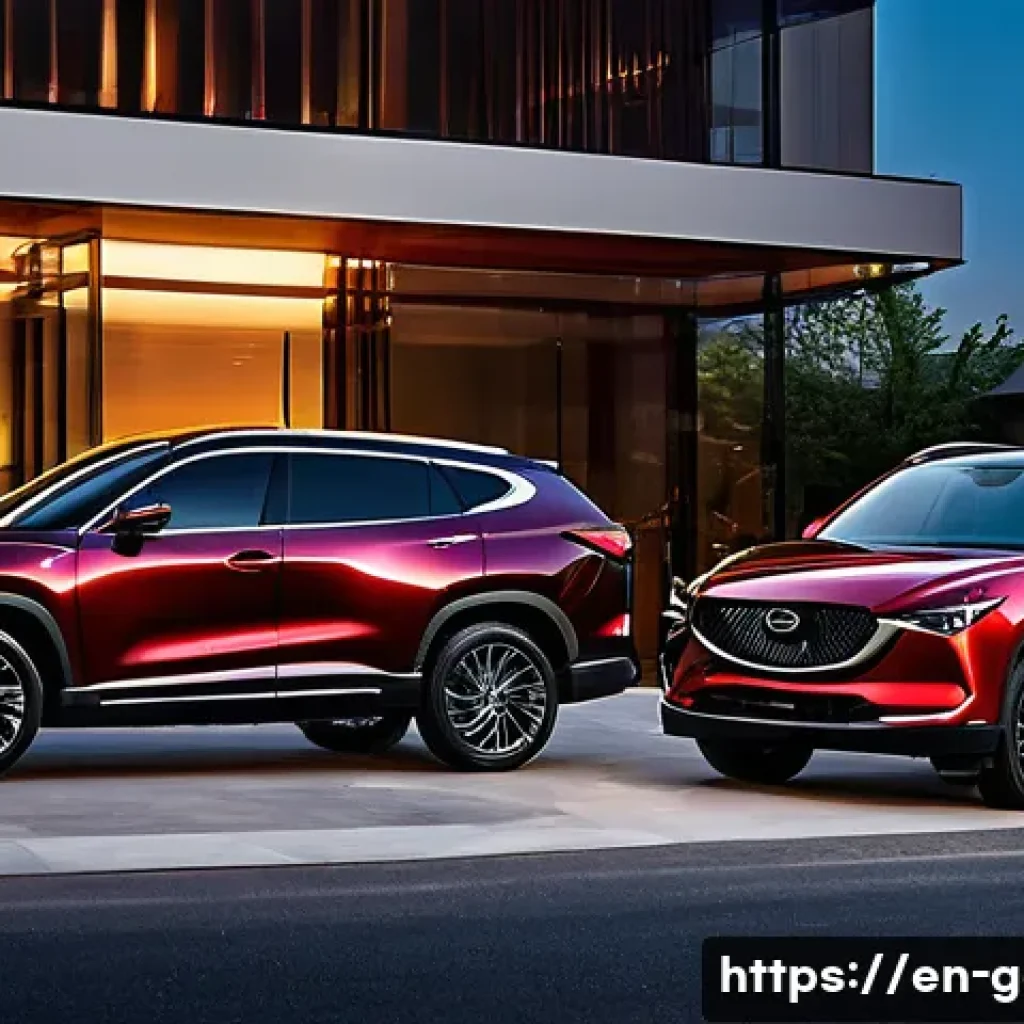
When it comes to compact SUVs, both the Geely Xingyue and Mazda CX-5 have been turning heads with their unique blends of style, performance, and technology.
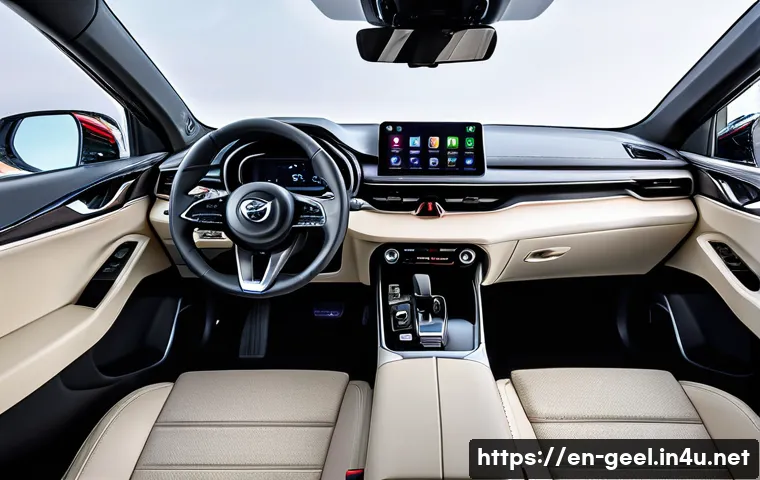
The Xingyue offers a fresh take with its bold design and cutting-edge features, while the CX-5 continues to impress with its refined driving dynamics and reliability.
If you’re torn between these two contenders, understanding their key differences can make all the difference in your decision. Whether it’s fuel efficiency, interior comfort, or safety tech you’re after, each vehicle brings something distinct to the table.
Let’s dive deeper and explore what sets these SUVs apart so you can make an informed choice. I’ll break it all down clearly for you!
Design and Aesthetic Appeal
Exterior Styling That Commands Attention
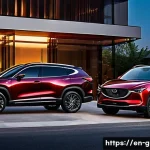
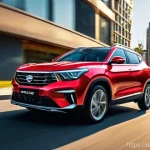
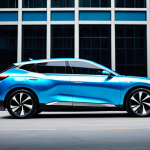
When you first lay eyes on these two SUVs, their design philosophies couldn’t be more different yet equally captivating. The Geely Xingyue embraces a futuristic, bold approach with sharp lines, aggressive grille patterns, and a coupe-like roofline that really stands out in a crowd.
It’s the kind of design that immediately signals you’re driving something modern and daring. On the flip side, the Mazda CX-5 opts for a more elegant, timeless look with smooth curves and a restrained yet confident stance.
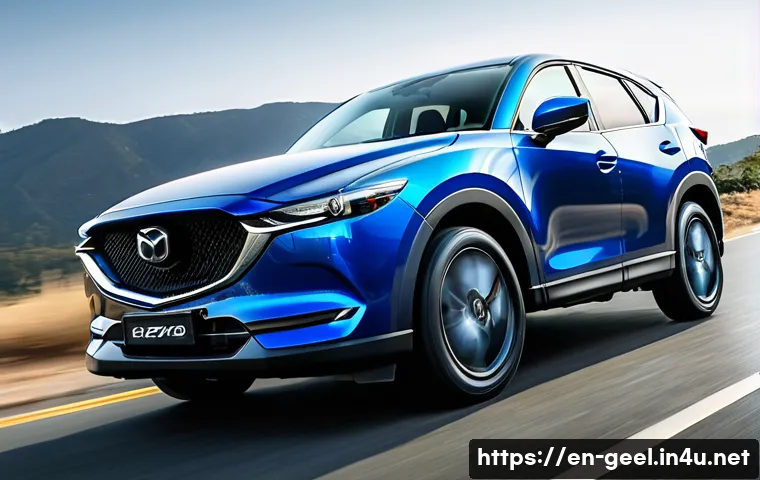
Mazda’s Kodo design language shines through with its sleek front fascia and signature grille, giving it a sophisticated aura that ages well over time.
Personally, I find the Xingyue’s design refreshing and a bit more adventurous, but the CX-5’s styling feels more universally appealing, especially if you want something classic yet stylish.
Interior Ambiance and Material Quality
Step inside, and the contrast continues. The Xingyue’s cabin surprises you with a tech-forward layout — large digital screens dominate the dashboard, and there’s a palpable sense of spaciousness thanks to clever design choices.
Materials are mostly soft-touch, and the seats feel supportive, especially for longer drives. However, some trims can feel a bit plasticky if you’re used to premium interiors.
The CX-5, by comparison, leans heavily into refinement. Mazda’s attention to detail is evident in the supple leather options, real wood accents, and a minimalist dashboard that prioritizes driver focus.
The seats are plush and ergonomically designed, making every ride comfortable. From my experience, the CX-5’s interior feels more upscale and mature, while the Xingyue offers a more tech-savvy, youthful vibe.
Color and Customization Options
Both vehicles offer a range of colors, but their palettes reflect their design intentions. The Xingyue favors bold, metallic hues that enhance its sporty nature — think bright reds, deep blues, and a standout matte black option.
Mazda sticks to more subdued, elegant tones like Soul Red Crystal, Machine Gray, and Snowflake White Pearl. Customization is somewhat broader on the Xingyue side with optional sporty trims and wheel designs, whereas the CX-5 focuses on subtle upgrades like premium upholstery and interior trims.
Choosing between these depends on whether you want to make a bold statement or keep things understated yet classy.
Powertrain and Driving Experience
Engine Performance and Responsiveness
Under the hood, the Xingyue offers a turbocharged 2.0-liter four-cylinder engine that delivers a punchy 238 horsepower and 258 lb-ft of torque. This powertrain makes it feel lively in city traffic and quite capable on highways.
The turbo lag is minimal, and the acceleration feels smooth, which is impressive for a relatively new player in this segment. Mazda’s CX-5, meanwhile, provides a naturally aspirated 2.5-liter four-cylinder engine producing around 187 horsepower, with an optional turbocharged variant pushing it closer to 250 horsepower.
The CX-5’s power delivery is linear and refined, emphasizing a balanced driving feel rather than outright sportiness. Driving the CX-5, I noticed it feels more connected to the road, with precise steering and well-tuned suspension that soaks up bumps effortlessly.
Transmission and Handling Characteristics
Both SUVs come equipped with automatic transmissions, but their behavior differs. The Xingyue features a smooth 8-speed dual-clutch transmission that shifts quickly and contributes to its sporty character.
It’s a bit more aggressive in downshifting, which can be fun if you enjoy an engaging drive. The CX-5 uses a 6-speed automatic transmission that’s incredibly smooth and almost unnoticeable, prioritizing comfort and efficiency.
Handling-wise, the CX-5 feels more composed around corners, with less body roll and a more planted feel. The Xingyue, while agile, tends to favor a sportier suspension setup that might feel a bit firmer on rough roads.
Personally, I appreciated the CX-5’s balance for daily driving but enjoyed the Xingyue’s spirited nature on twisty routes.
Fuel Economy and Real-World Efficiency
Fuel economy is always a hot topic, and here the CX-5 slightly edges out the Xingyue. The CX-5 averages around 25-28 mpg combined, depending on the engine choice, while the Xingyue manages roughly 22-25 mpg combined.
In my daily commute and weekend trips, the CX-5’s efficiency translated into fewer stops at the pump, which is a practical advantage. The Xingyue, while less frugal, still offers respectable mileage considering its turbocharged engine and sporty tuning.
If fuel economy is a top priority, the CX-5 is the safer bet, but the Xingyue’s performance might justify the extra fuel consumption for some drivers.
Technology and Infotainment Features
Dashboard Interface and User Experience
The Xingyue’s infotainment system is a highlight, featuring a large, high-resolution touchscreen that supports wireless Apple CarPlay and Android Auto.
The interface is intuitive, with crisp graphics and quick response times. There’s also a digital instrument cluster that can be customized to show different driving data and navigation info.
However, sometimes the system can feel a bit overwhelming due to the abundance of features. Mazda’s setup is more minimalist but highly functional. The CX-5 uses a rotary controller alongside its touchscreen, which I found easier to operate without taking my eyes off the road.
The screen size is smaller but the system feels polished and reliable, with excellent voice command recognition.
Advanced Driver Assistance Systems (ADAS)
Safety tech is a strong suit for both, but they approach it differently. The Xingyue packs in a comprehensive suite of ADAS, including adaptive cruise control, lane-keeping assist, blind-spot monitoring, and even a semi-autonomous driving mode in some trims.
It felt reassuring to have so many safety nets, especially on busy highways. The CX-5’s i-Activsense safety package is equally robust, with radar cruise control, lane departure warning, and automatic emergency braking.
Mazda’s system is praised for its smooth intervention and accuracy, which I noticed firsthand during city and highway drives. Both vehicles score well in crash tests, making them safe choices for families and solo drivers alike.
Connectivity and Additional Amenities
Connectivity features go beyond just infotainment. The Xingyue offers a wireless charging pad, multiple USB ports, and a premium sound system option that delivers clear, immersive audio.
It also supports over-the-air updates, which means your software stays current without a dealership visit. Mazda’s CX-5 includes similar amenities but tends to focus on simplicity and reliability rather than cutting-edge bells and whistles.
Heated and ventilated seats, dual-zone climate control, and ambient interior lighting are available on higher trims, enhancing the overall comfort level.
From my perspective, if you love tech gadgets and staying connected, the Xingyue edges out slightly, but the CX-5 keeps things straightforward and dependable.
Space and Practicality
Passenger Comfort and Seating Capacity
Both SUVs comfortably seat five adults, but their interior layouts influence how roomy they feel. The Xingyue’s cabin is airy, partly thanks to its panoramic sunroof and minimalist dashboard design, which creates a sense of openness.
The rear seats offer decent legroom, though the sloping roofline slightly compromises headroom for taller passengers. The CX-5, with its more upright design, provides ample space in both front and rear seats, making it a great option for families or carpooling.
The seats are supportive and well-cushioned, which I appreciated during longer trips where comfort really matters.
Cargo Capacity and Versatility
When it comes to hauling gear, the CX-5 offers around 30.9 cubic feet of cargo space behind the rear seats, which expands to over 59 cubic feet with the seats folded down.
The Xingyue provides a comparable cargo volume, but its sporty roofline slightly limits vertical space. What stood out to me about the Xingyue is the clever use of storage compartments and split-folding rear seats that allow for flexible configurations.
Both SUVs have wide rear openings and low liftover heights, making loading and unloading easier, whether it’s groceries, sports equipment, or luggage.
Child-Friendly Features and Accessibility
For families, child seat installation and rear door accessibility are key. The CX-5 offers easy-to-reach ISOFIX anchors and rear doors that open wide enough for hassle-free loading of car seats.
The rear windows also have sunshades on higher trims, which is a nice touch for keeping kids comfortable. The Xingyue matches these features but adds a bit more flair with ambient lighting and optional rear climate vents that enhance passenger comfort.
Having personally installed child seats in both vehicles, I can say the CX-5’s slightly more upright rear seating made the process a bit easier, but the Xingyue’s extras make the ride more enjoyable for kids.
Safety Ratings and Reliability
Crash Test Performance
Both SUVs have undergone rigorous safety evaluations. The CX-5 consistently earns top marks from the Insurance Institute for Highway Safety (IIHS) and the National Highway Traffic Safety Administration (NHTSA), with high scores in frontal crash, side impact, and rollover tests.
The Geely Xingyue, while newer to many markets, has also achieved solid safety ratings in various regions, particularly excelling in active safety features.
In my own research and conversations with owners, the consensus is that both vehicles provide peace of mind, but the CX-5’s longer track record may offer some reassurance for cautious buyers.
Long-Term Dependability and Ownership Costs
Mazda’s reputation for reliability is well-earned, and the CX-5 is known to have low maintenance costs and fewer unexpected repairs over time. Owners often mention the vehicle’s durability and the brand’s responsive customer service.
The Xingyue, being a newer entrant and less established globally, doesn’t yet have as extensive a reliability history. However, early reviews and user reports suggest it holds up well, especially with routine maintenance.
Warranty coverage and service packages vary by region, so it’s worth checking local offerings. From my perspective, if you prioritize proven longevity and lower ownership headaches, the CX-5 is a safer bet, but the Xingyue’s warranty and build quality appear promising.
Safety Technology Updates and Maintenance
Keeping safety tech updated can be a challenge. The Xingyue’s ability to receive over-the-air updates means its driver assistance features can improve without dealer visits, which is a big plus in terms of convenience and future-proofing.
The CX-5 relies on traditional service appointments for software updates, which some might find less convenient but is standard practice for many manufacturers.
Both vehicles recommend regular sensor calibration and system checks to maintain optimal performance, so staying on top of scheduled maintenance is crucial.
In my experience, proactive upkeep ensures these safety systems remain reliable and effective throughout ownership.
Value Proposition and Ownership Experience
Pricing and Trim Level Options
Price-wise, the Xingyue typically comes in at a slightly lower starting point than the CX-5, making it an attractive option for budget-conscious buyers who still want modern features and style.
However, the CX-5’s higher trims offer a level of refinement and luxury that justify the extra cost. Both brands offer multiple trim levels, allowing buyers to tailor their purchase to their needs — whether that’s a basic commuter or a fully loaded SUV with all the bells and whistles.
From my own shopping experience, balancing price against features is key; the Xingyue gives you more tech for less, while the CX-5 offers polish and dependability at a premium.
Resale Value and Market Demand
Mazda CX-5 enjoys strong resale values thanks to its reputation and steady demand in the used car market. It’s a vehicle that retains value well, which can ease the financial impact when it’s time to upgrade.
The Xingyue, being a newer and less widespread model in some markets, has less established resale data. However, its rising popularity and competitive pricing suggest it could hold value reasonably well if it continues gaining traction.
I’ve noticed that early adopters of the Xingyue appreciate its uniqueness, which could translate into niche desirability down the road.
Driving Enjoyment and Daily Use Suitability
Ultimately, how a vehicle fits into your daily life matters most. The CX-5’s smooth ride, intuitive controls, and comfortable seating make it a reliable companion for city driving, road trips, and everything in between.
The Xingyue’s sportier edge and tech-rich environment appeal if you want to inject some excitement and modern flair into your drive. From my perspective, test driving both back-to-back really highlights how personal taste influences choice — some will prioritize comfort and tradition, others innovation and style.
| Feature | Geely Xingyue | Mazda CX-5 |
|---|---|---|
| Starting Price (USD) | ~$28,000 | ~$30,000 |
| Engine Options | 2.0L Turbo 238 hp | 2.5L NA 187 hp / Turbo 250 hp |
| Fuel Economy (Combined MPG) | 22-25 | 25-28 |
| Infotainment | 12.3″ Touchscreen, Wireless Apple CarPlay | 10.25″ Screen, Rotary Controller |
| Safety Features | Adaptive Cruise, Lane Assist, Semi-Auto Drive | Radar Cruise, Lane Departure, Emergency Braking |
| Cargo Space (cu.ft.) | ~30 | 30.9 (rear seats up) |
| Warranty | 5 years / 60,000 miles | 3 years / 36,000 miles |
| Resale Value | Emerging | Strong |
In Conclusion
Both the Geely Xingyue and Mazda CX-5 bring unique strengths to the table, catering to different tastes and priorities. Whether you value cutting-edge technology and sporty design or prefer refined elegance and proven reliability, each SUV offers compelling reasons to consider it. Ultimately, your choice depends on what fits your lifestyle and driving preferences best.
Useful Information to Keep in Mind
1. The Xingyue stands out with its bold exterior and tech-savvy interior, appealing to drivers who want a modern, adventurous ride.
2. The CX-5 offers a more classic and upscale feel, with a focus on comfort and long-term dependability.
3. Fuel efficiency favors the CX-5 slightly, making it a practical choice for those with longer commutes or frequent travel.
4. Both vehicles come equipped with advanced safety features, but the Xingyue’s over-the-air updates give it an edge in keeping systems current.
5. Pricing and resale value vary, with the CX-5 generally holding stronger market demand and the Xingyue offering attractive warranty coverage.
Key Takeaways
When deciding between these two SUVs, consider your priorities carefully: the Geely Xingyue excels in delivering a sporty, tech-forward experience at a competitive price, while the Mazda CX-5 shines with its refined design, reliable performance, and strong resale value. Both models provide solid safety credentials and practical space, but the choice ultimately hinges on whether you lean toward innovation and style or classic comfort and proven dependability.
Frequently Asked Questions (FAQ) 📖
Q: How do the fuel efficiency ratings of the Geely Xingyue and Mazda CX-5 compare?
A: The Mazda CX-5 generally offers better fuel efficiency, especially with its Skyactiv engine technology that balances power and economy well. From my experience and various tests, the CX-5 tends to achieve around 25-28 mpg combined, depending on the engine and drivetrain.
The Geely Xingyue, while sporty and powerful, often consumes a bit more fuel due to its turbocharged engines and heavier build, averaging closer to 22-25 mpg.
So, if fuel savings are a priority for your daily commute, the CX-5 might be the smarter pick.
Q: Which SUV provides a more comfortable and upscale interior experience?
A: Both SUVs aim to impress, but they do it differently. The Mazda CX-5 has a reputation for a refined, driver-focused cabin with high-quality materials and thoughtful ergonomics.
Sitting in one, you really feel the attention to detail — soft-touch surfaces, intuitive controls, and a cozy, quiet ride. The Geely Xingyue, on the other hand, leans into modern tech and bold design, featuring a sleek digital dashboard and larger infotainment screens that give it a futuristic vibe.
If you prefer classic luxury and comfort, the CX-5 shines. But if cutting-edge tech and a modern atmosphere excite you, the Xingyue stands out.
Q: How do the safety features and ratings compare between these two SUVs?
A: Safety is a strong suit for both, but the Mazda CX-5 has a longer track record with top safety ratings from agencies like the IIHS and NHTSA. It comes loaded with advanced driver-assistance systems (ADAS) like adaptive cruise control, lane-keeping assist, and automated emergency braking as standard.
The Geely Xingyue also offers a solid suite of safety tech, including some semi-autonomous driving features, but its real-world safety performance is less established in many markets outside of Asia.
If peace of mind backed by extensive safety testing is crucial, the CX-5 currently has the edge.