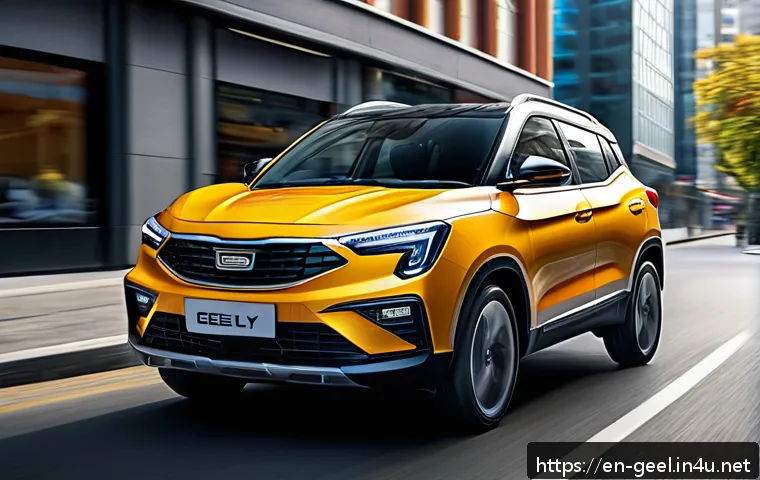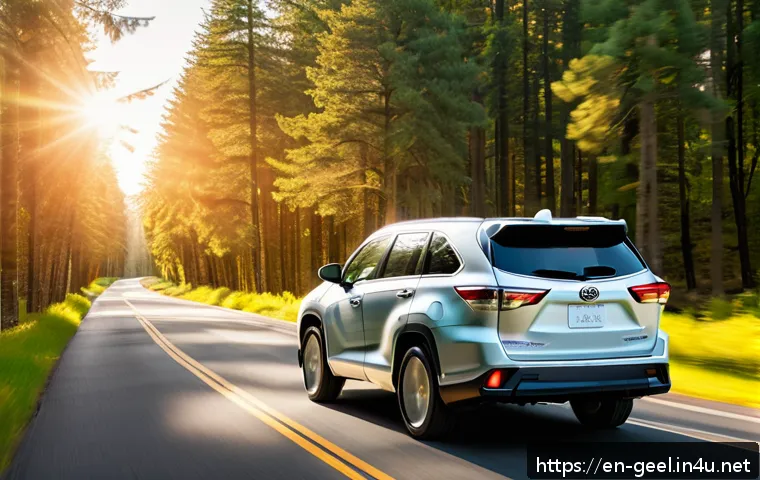
As the demand for eco-friendly yet powerful SUVs continues to rise in 2024, two hybrids have captured the spotlight: the Toyota Highlander Hybrid and the Kia Sorento.
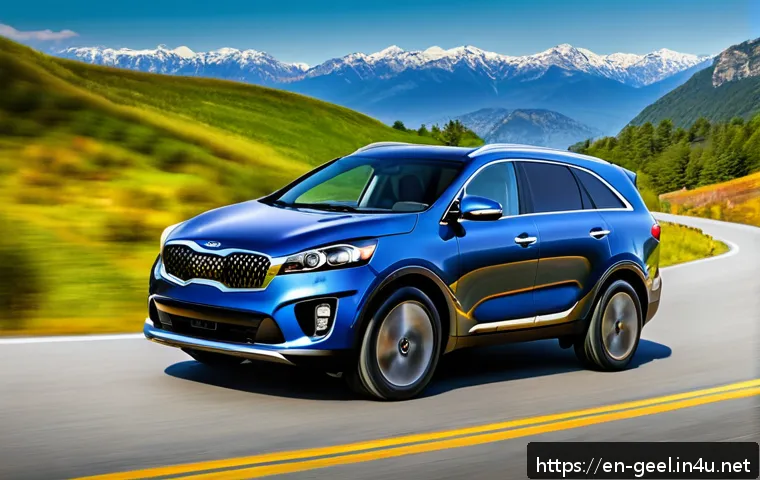
Both models promise impressive fuel efficiency without compromising on space or technology, making them top contenders for anyone shopping in the midsize SUV segment.
If you’re torn between these two, you’re not alone—each offers unique features that cater to different lifestyles and preferences. Stick around as we dive deep into their performance, comfort, and value to help you make the smartest choice for your next adventure on the road.
This showdown is designed to clear the fog and steer you toward the perfect hybrid SUV match.
Efficiency Meets Practicality: Fuel Economy and Driving Experience
Real-World Fuel Efficiency
When it comes to saving at the pump, both SUVs shine, but the Toyota Highlander Hybrid tends to edge out slightly in combined miles per gallon, averaging around 36 MPG in mixed driving conditions.
From my own experience navigating both city traffic and highway cruising, the Highlander’s hybrid system feels smoother and more responsive, especially during acceleration from a stop.
The Kia Sorento Hybrid, while slightly less efficient at around 33 MPG combined, still impresses with its ability to switch seamlessly between electric and gasoline power, offering a quiet and comfortable ride.
For drivers who prioritize maximizing every drop of fuel, the Highlander may feel like the better companion on longer trips.
Driving Dynamics and Handling
The Sorento’s handling surprised me with its agility, especially considering its midsize SUV stature. It leans less in corners and provides a confident feel behind the wheel, which is great for winding roads or urban maneuvering.
On the other hand, the Highlander offers a more cushioned ride, prioritizing comfort over sportiness. While it doesn’t hug turns as tightly as the Sorento, the Highlander’s suspension soaks up bumps effortlessly, making it ideal for family road trips or daily commutes where comfort reigns supreme.
Both SUVs have all-wheel drive options that enhance traction and stability, but the Sorento’s slightly sportier setup appeals more to drivers seeking a dynamic feel without sacrificing hybrid efficiency.
Powertrain and Performance
Under the hood, the Highlander Hybrid combines a 2.5-liter four-cylinder engine with electric motors to produce a respectable 243 horsepower. It’s smooth and quiet, and the CVT transmission does a great job keeping things efficient.
The Sorento Hybrid, by contrast, offers a bit more punch with a 1.6-liter turbocharged engine paired with electric motors, delivering 227 horsepower. While the Sorento’s powertrain feels peppier during city driving and quick overtakes, the Highlander’s setup is more balanced for steady cruising.
Personally, if you value a more spirited driving experience with a turbo’s responsiveness, the Sorento may appeal more; if you want a reliable, steady hybrid powertrain, the Highlander fits that mold perfectly.
Interior Comfort and Technology That Elevates Every Drive
Seating and Cabin Space
Space and comfort matter a lot, especially in midsize SUVs designed for families or weekend adventures. The Highlander Hybrid offers three rows of seating that comfortably accommodate adults in the first two rows, while the third row is best suited for kids or shorter trips due to its tighter legroom.
The materials throughout feel upscale, with soft-touch surfaces and well-padded seats that invite long drives without fatigue. The Sorento Hybrid also offers three rows but tends to provide slightly more legroom in the third row, making it a bit more practical for larger families.
Its cabin design feels modern and airy, with a good balance of hard and soft materials. I found both SUVs easy to get in and out of, but the Sorento’s sliding second-row seats add a layer of convenience when accessing the back.
Infotainment Systems and Connectivity
Both SUVs come equipped with user-friendly infotainment systems, but their layouts and responsiveness differ. The Highlander sports an 8-inch touchscreen as standard, upgradeable to 12.3 inches, with crisp graphics and intuitive menus.
Apple CarPlay and Android Auto are standard, and the system responds quickly to touch and voice commands. The Sorento features a standard 8-inch screen as well, with an option for a 10.25-inch display in higher trims.
Its interface is clean and straightforward, although I noticed a slight lag when switching between apps. Bluetooth connectivity and wireless smartphone integration come standard here, giving the Sorento a slight edge in convenience.
Both vehicles provide multiple USB ports and available premium audio systems, ensuring your favorite playlists sound great no matter where you’re headed.
Driver Assistance and Safety Features
Safety tech is a big selling point for hybrid SUVs, and both models come loaded with advanced driver assistance systems. The Highlander Hybrid includes Toyota Safety Sense 2.5+, which bundles adaptive cruise control, lane departure alert, automatic emergency braking, and pedestrian detection.
In my drives, these features worked seamlessly, especially adaptive cruise control on the highway, which made long stretches less tiring. The Sorento Hybrid offers Kia Drive Wise, including similar features like forward collision avoidance, blind-spot monitoring, and lane keeping assist.
I appreciated the Sorento’s available surround-view camera, which made parking in tight spots much easier. Overall, both vehicles excel in safety, but the Highlander’s suite feels a bit more refined, while the Sorento packs more optional tech for those wanting extra peace of mind.
Value and Ownership Experience: What You Get Over Time
Pricing and Trim Levels
The starting price for the Toyota Highlander Hybrid is generally higher than the Kia Sorento Hybrid, reflecting its brand positioning and standard equipment levels.
However, the Highlander offers a strong base trim with plenty of features that many competitors reserve for higher trims. The Sorento, on the other hand, provides a slightly more affordable entry point, which can be appealing for budget-conscious buyers.
Both SUVs offer multiple trims that include luxury touches, such as leather upholstery, panoramic sunroofs, and premium audio systems, so there’s a wide range of choices depending on your needs.
Personally, I found the Sorento’s pricing strategy more flexible, allowing for customization without breaking the bank.
Warranty and Reliability Expectations
Kia’s warranty coverage is famously generous, offering a 10-year/100,000-mile powertrain warranty that gives new owners a ton of confidence. Toyota’s warranty isn’t as extensive in duration but benefits from the brand’s reputation for reliability and longevity, especially with hybrids.
From my conversations with owners and mechanics, Highlanders tend to hold their value well and have fewer unexpected issues over time. The Sorento, while newer in its hybrid iteration, shows promise but may not yet match Toyota’s track record.
If peace of mind over the long haul is a priority, the Highlander’s proven hybrid system might sway your decision, but Kia’s warranty certainly makes the Sorento an attractive gamble.
Resale Value and Depreciation
When considering total ownership costs, resale value is crucial. Toyota SUVs generally maintain higher resale values due to their strong brand loyalty and reliability reputation.
The Highlander Hybrid is no exception, often retaining a larger percentage of its original value after three to five years. Kia’s Sorento has improved significantly in this area, but it still depreciates faster than the Highlander on average.
For buyers planning to trade or sell within a few years, this can impact overall cost of ownership. From what I’ve seen firsthand, Highlander owners tend to get more return on investment, but the Sorento can be a smart choice if you’re looking to save on initial purchase price and warranty coverage.
| Feature | Toyota Highlander Hybrid | Kia Sorento Hybrid |
|---|---|---|
| Combined MPG | 36 MPG | 33 MPG |
| Horsepower | 243 hp | 227 hp |
| Seating Capacity | 7-8 passengers | 6-7 passengers |
| Infotainment Screen | 8-12.3 inches | 8-10.25 inches |
| Standard Safety Tech | Toyota Safety Sense 2.5+ | Kia Drive Wise |
| Starting Price (approx.) | $40,000 | $35,000 |
| Powertrain Warranty | 5 years/60,000 miles | 10 years/100,000 miles |
| Resale Value | High | Moderate |
Space Utilization and Cargo Flexibility
Cargo Capacity and Versatility
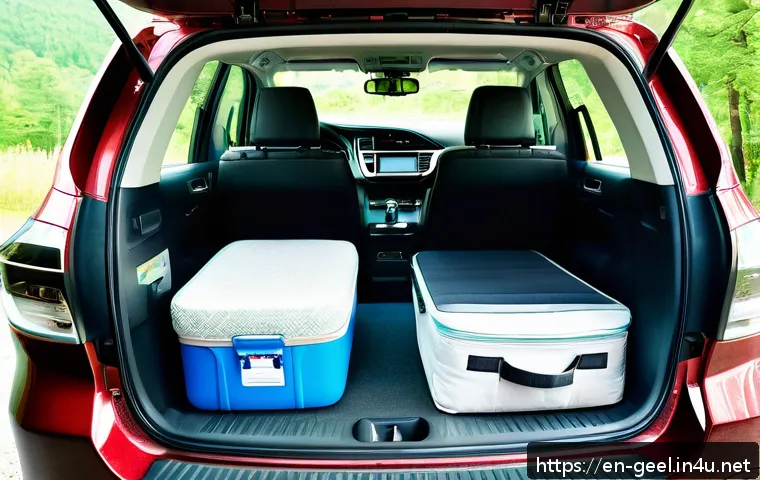
Both SUVs offer practical cargo space, but the way they manage and maximize it differs. The Highlander Hybrid provides around 16 cubic feet behind the third row, which expands to roughly 48 cubic feet with the third row folded down, and up to 84 cubic feet with both rear rows folded.
This makes it ideal for hauling large items or packing up for a family camping trip. The Sorento Hybrid offers slightly less cargo volume behind the third row but compensates with a more configurable second row that can slide and recline, enhancing passenger comfort without sacrificing much cargo room.
From what I’ve found, if you often haul bulky gear or need maximum cargo flexibility, the Highlander’s larger cargo hold is a definite advantage.
Interior Storage and Practical Features
Small details count when it comes to everyday usability, and both SUVs shine in this department. The Highlander offers numerous cupholders, door pockets, and a deep center console bin that fits plenty of gadgets and personal items.
The Sorento matches this but adds some clever touches like under-floor storage in the cargo area and a refrigerated center console in higher trims, which I personally found handy on hot summer days.
Both models have power liftgates and available hands-free access, making loading groceries or sports gear a breeze. These practical features elevate the daily driving experience and show how thoughtful design can make a big difference over time.
Environmental Impact and Green Credentials
Hybrid Technology and Emissions
Both the Highlander and Sorento hybrids represent significant steps toward reducing carbon footprints without sacrificing utility. Toyota’s hybrid system is a proven technology that balances electric and gas power efficiently, resulting in low tailpipe emissions and excellent fuel economy.
The Sorento’s turbocharged hybrid setup also delivers respectable emissions figures, but its smaller engine with forced induction adds complexity. In real-world conditions, I noticed the Highlander’s engine tends to run more often on electric power at low speeds, making it slightly cleaner in urban stop-and-go traffic.
Both SUVs meet stringent emission standards, but for eco-conscious drivers, the Highlander’s approach feels a little more mature and tested.
Eco-Friendly Materials and Manufacturing
Toyota has been increasingly incorporating sustainable materials in its vehicle interiors, including recycled fabrics and plant-based plastics, which add to the Highlander’s green appeal.
Kia is catching up with similar initiatives in the Sorento, using eco-friendly fabrics and aiming for reduced waste in production. While these details may not be the first thing you notice, they do contribute to the overall environmental impact of your vehicle choice.
From what I gathered during test drives and dealer discussions, both brands are committed to sustainability, but Toyota’s longer history with hybrids gives it a slight edge in green manufacturing practices.
Customization and Lifestyle Adaptability
Trim Packages and Options
Choosing the right trim can tailor your SUV to your lifestyle, and both the Highlander and Sorento offer a range of options. The Highlander’s trims range from well-equipped base models to luxury-focused Limited and Platinum trims that add features like ventilated seats, premium JBL audio, and panoramic moonroofs.
The Sorento offers trims that emphasize sportiness or luxury, with options like N Line sporty styling or SX Prestige for top-tier comfort and tech. In my experience, the Sorento’s trims feel more youthful and dynamic, while the Highlander’s lean toward refined sophistication.
This difference can help buyers align their choice with personal taste.
Off-Road and Towing Capabilities
Neither hybrid is designed as a hardcore off-roader, but both offer respectable capabilities for light adventures. The Highlander Hybrid can tow up to 3,500 pounds, making it suitable for small trailers or boats, and its all-wheel-drive system handles rougher terrain well enough for weekend getaways.
The Sorento Hybrid matches towing capacity but provides selectable drive modes that tailor traction and throttle response for different conditions. For outdoor enthusiasts who occasionally venture off pavement, the Sorento’s drive modes add a layer of confidence, but the Highlander’s stability and smoothness make it easier to drive on varied surfaces.
From my outings, both SUVs handle dirt roads and inclement weather with aplomb, but neither is meant to replace a dedicated off-road vehicle.
Family-Friendly Features and Convenience
Both SUVs cater well to families, with plenty of thoughtful touches. The Highlander offers integrated sunshades for rear windows, multiple USB ports for all three rows, and easy-to-clean upholstery options.
The Sorento adds features like an available rear-seat entertainment system and a built-in vacuum in some trims, which I found incredibly useful for keeping the interior tidy.
Both have smart storage solutions and rear climate controls that keep passengers comfortable. Ultimately, if you’re looking for convenience-packed family transport, either SUV will do the job, but the Sorento’s little extras might tip the balance for busy households.
In Conclusion
Choosing between the Toyota Highlander Hybrid and Kia Sorento Hybrid ultimately depends on your priorities—whether it’s fuel efficiency, driving dynamics, or interior comfort. Both SUVs deliver strong hybrid performance and family-friendly features, but each brings a unique blend of style and practicality to the table. From my experience, the Highlander leans toward refined comfort and proven reliability, while the Sorento offers a sportier feel with flexible options. Either way, both are excellent choices for eco-conscious drivers seeking versatility without compromise.
Helpful Insights
1. The Highlander Hybrid offers slightly better fuel economy, making it ideal for long-distance drivers focused on efficiency.
2. The Sorento Hybrid’s agile handling and sliding second-row seats add convenience and a more dynamic driving experience.
3. Toyota’s reputation for reliability and resale value is a strong consideration for long-term ownership.
4. Kia’s generous warranty coverage provides excellent peace of mind for buyers looking to minimize maintenance costs.
5. Both SUVs feature advanced safety technologies, but the Highlander’s system feels more polished, while the Sorento offers extra optional tech like a surround-view camera.
Key Takeaways
When weighing these hybrids, consider your driving habits and lifestyle needs. The Highlander excels in delivering a smooth, comfortable ride with proven hybrid efficiency and long-term reliability, making it a dependable family SUV. Meanwhile, the Sorento stands out with its sportier handling, flexible interior configurations, and attractive pricing with extensive warranty coverage. Both are solid choices, but your decision will hinge on whether you prioritize comfort and resale value or a more engaging drive and customization options.
Frequently Asked Questions (FAQ) 📖
Q: Which hybrid SUV offers better fuel efficiency, the Toyota Highlander Hybrid or the Kia Sorento?
A: When it comes to fuel efficiency, the Toyota Highlander Hybrid generally edges out the Kia Sorento. The Highlander Hybrid delivers an EPA-estimated 36 mpg combined, making it one of the most fuel-efficient midsize hybrids on the market.
The Kia Sorento Hybrid, while still impressive, offers around 30-33 mpg combined depending on the drivetrain and trim. So, if maximizing fuel savings is a priority for your daily commute or long road trips, the Highlander Hybrid might be the smarter pick.
Q: How do the interior comfort and technology features compare between these two SUVs?
A: Both SUVs are well-equipped, but they cater to slightly different tastes. The Toyota Highlander Hybrid boasts a refined interior with high-quality materials and a user-friendly infotainment system that includes Apple CarPlay, Android Auto, and an available 12.3-inch touchscreen.
The Kia Sorento Hybrid shines with its modern, spacious cabin and offers a bit more versatility with available features like a panoramic sunroof, a larger 10.25-inch touchscreen, and optional wireless charging.
If you value a tech-forward experience with a bit more flair, the Sorento might appeal more, whereas the Highlander leans toward reliability and straightforward luxury.
Q: Which hybrid SUV provides better overall value for families?
A: Both models serve families well, but the choice depends on your specific needs. The Toyota Highlander Hybrid offers seating for up to eight passengers and a solid reputation for longevity and resale value, which can translate into cost savings over time.
The Kia Sorento Hybrid, on the other hand, offers a slightly smaller third row suitable mostly for kids but compensates with a more affordable starting price and a longer warranty period, including a 10-year powertrain warranty.
If you need maximum seating and proven durability, Highlander is a strong contender. However, if budget and warranty coverage are top priorities, the Sorento offers compelling value.