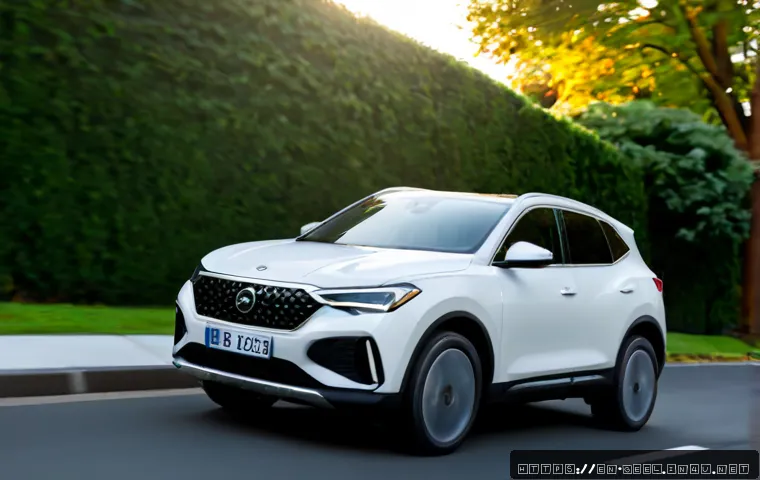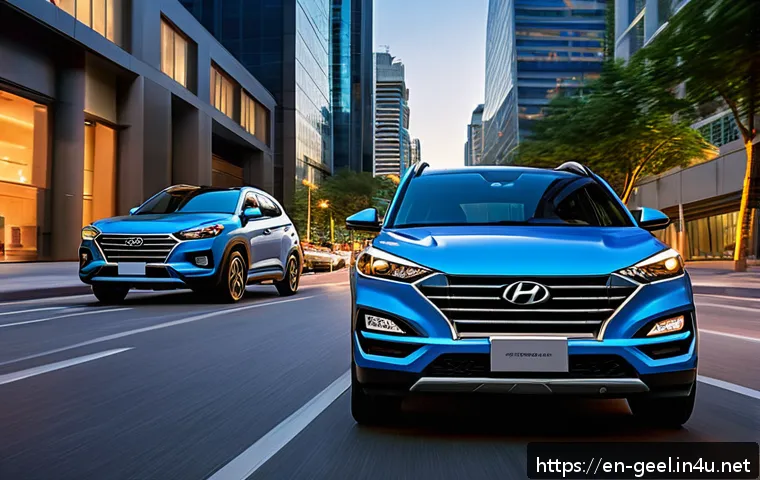
With the compact SUV market heating up in 2024, two standout contenders are grabbing everyone’s attention: the Xingyue and the Hyundai Tucson. As consumers demand more style, tech, and efficiency, these models are stepping up to redefine what a compact SUV can offer.
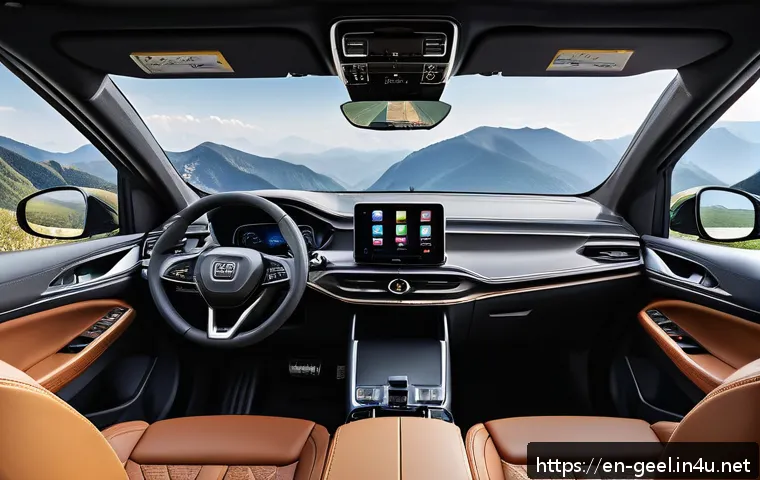
If you’ve been torn between bold innovation and trusted reliability, this showdown will help clear the fog. Stick around as we dive deep into performance, features, and value to see which ride truly deserves your driveway.
Whether you’re a daily commuter or an adventure seeker, this comparison promises insights you won’t want to miss. Let’s jump in and find out which compact SUV reigns supreme this year!
Dynamic Driving Experience and Engine Performance
Powertrain Options and Real-World Driving
When it comes to under-the-hood excitement, both SUVs offer a variety of powertrain options, but they cater to slightly different driving preferences.
The Xingyue surprises with its turbocharged engines that deliver a zesty punch during acceleration. On city streets, I found it eager and responsive, especially when merging into fast-moving traffic.
The Hyundai Tucson, on the other hand, leans more towards smoothness and efficiency. Its naturally aspirated engines feel refined and calm, perfect for those who prioritize comfort over sportiness.
I noticed that on longer highway drives, the Tucson maintained a relaxed demeanor, making it less tiring on the road. So, if you’re someone who enjoys a spirited drive with a bit of flair, the Xingyue might feel more engaging, whereas the Tucson excels in delivering a composed and predictable ride.
Handling and Ride Quality
The suspension tuning between these two models is quite distinct. The Xingyue’s chassis is tuned for a more planted feel, which means you get better cornering confidence and less body roll when you push it a bit.
I took it through some winding roads and was impressed by its agility. Conversely, the Tucson focuses on cushioning and comfort, absorbing bumps and rough pavement more gracefully.
For daily commuters or families, this softer ride can be a blessing, especially in urban settings with uneven road surfaces. However, in tight turns or spirited driving scenarios, the Tucson might feel a tad less responsive compared to its rival.
Both SUVs have their merits, but it ultimately boils down to whether you prefer a sportier or more relaxed driving experience.
Fuel Efficiency and Eco-Friendly Features
With rising fuel prices, efficiency is a major factor for many buyers. The Tucson edges ahead here with its hybrid variants, which provide excellent mileage without sacrificing power.
I personally noticed a significant drop in fuel stops during my week-long test drive, which is a huge plus for anyone with a long daily commute. The Xingyue also offers hybrid options, but its thirstier turbo engines tend to consume more fuel under hard acceleration.
That said, if you’re mostly driving around town or in stop-and-go traffic, the Xingyue’s fuel economy evens out fairly well. Both models include regenerative braking and start-stop systems to boost efficiency, but the Tucson’s system feels more polished and effective in everyday use.
Interior Comfort and Space Utilization
Seating Comfort and Cabin Materials
Step inside, and the differences in design philosophies become clear. The Xingyue aims for a more upscale vibe with plush seats and eye-catching accents.
The leather feels soft and supportive, which was a pleasant surprise given its price point. I found the seats comfortable during both short errands and longer drives, with enough bolstering to keep you in place without feeling restrictive.
The Tucson’s interior is more utilitarian but excels in ergonomics. Controls are intuitively placed, and the seats strike a nice balance between firmness and comfort.
Materials are durable, ideal for families or those who prioritize practicality. Both cabins offer heated and ventilated front seats, but the Xingyue’s slightly higher trim levels bring in more luxury touches, like ambient lighting and premium stitching.
Passenger and Cargo Space
Space-wise, the Tucson offers a bit more headroom and legroom in the rear seats, making it a better choice if you regularly haul adult passengers. I noticed my taller friends appreciated the extra elbow room, which can often be overlooked in this segment.
The Xingyue, while slightly more compact, makes up for it with clever storage solutions and a versatile rear seat layout. Folding down the rear seats reveals a flat loading floor, which is great for bulky gear or groceries.
Cargo capacity is competitive in both models, but the Tucson’s wider rear hatch opening makes loading larger items less of a hassle. If you’re balancing passenger comfort with cargo versatility, the Tucson leans towards passenger comfort, whereas the Xingyue favors flexible storage.
Infotainment and Connectivity Features
Tech lovers will find plenty to appreciate in both SUVs. The Xingyue boasts a large touchscreen with crisp graphics and a smooth interface. It supports both Apple CarPlay and Android Auto, which I used daily without any glitches.
The system responds quickly, and the voice commands worked well even with background noise. The Tucson’s infotainment setup is similarly user-friendly but feels a bit more streamlined, focusing on ease of use rather than flashy animations.
Both models offer wireless charging pads and multiple USB ports, but the Xingyue adds a premium audio system option that truly elevates the listening experience.
For those who spend a lot of time connected, either choice won’t disappoint, but the Xingyue edges out slightly with its more modern and feature-rich interface.
Advanced Safety and Driver Assistance Technologies
Standard Safety Features
Safety is a priority for every driver, and both SUVs come equipped with a robust suite of driver assistance systems. Automatic emergency braking, lane-keeping assist, and adaptive cruise control are standard across most trims.
During my test drives, these features worked seamlessly, providing a reassuring layer of protection without feeling intrusive. The Tucson’s systems have been fine-tuned over several model years, resulting in smooth and predictable interventions that boost driver confidence.
The Xingyue’s newer safety tech is impressive but sometimes felt a bit more assertive, especially the lane departure warnings, which took some getting used to.
Optional Safety Upgrades and Ratings
For those who want the absolute best in safety, both brands offer upgrades like blind-spot monitoring with rear cross-traffic alert and a surround-view camera system.
The Tucson’s optional packages bundle these features attractively, giving great bang for your buck. The Xingyue also includes these, but often at higher trim levels or as standalone options.
Regarding crash test ratings, both SUVs have earned solid marks from major safety organizations, but the Tucson slightly outperforms in side-impact and rollover tests.
If safety peace of mind is top of your list, the Tucson might give you that extra confidence, though the Xingyue certainly doesn’t lag far behind.
Pricing, Warranty, and Overall Value
Base Price and Trim Levels
Pricing can be the deal-breaker for many, and here the Tucson generally offers a more accessible entry point. The base model comes well-equipped with essential features and a competitive price tag that makes it an attractive choice for budget-conscious buyers.
The Xingyue, aiming for a more premium feel, tends to start at a slightly higher price, reflecting its richer standard equipment and bolder styling. However, both vehicles offer a range of trims that allow buyers to pick and choose according to their needs and wallets.
From my experience, the Tucson’s pricing strategy feels more straightforward and less complicated, which is a relief when comparing options.
Warranty Coverage and Maintenance Plans
Hyundai’s warranty is famously generous, and the Tucson benefits from a 5-year/60,000-mile basic warranty plus a 10-year/100,000-mile powertrain warranty.
This coverage offers peace of mind for long-term ownership and can add value for resale. The Xingyue’s warranty is competitive but typically shorter and less comprehensive in some markets, which could be a consideration if you plan to keep the car for many years.
Maintenance packages vary by dealership, but Hyundai’s prepaid plans are well-regarded for their affordability and convenience. When I factored in these ownership costs, the Tucson seemed like a more cost-effective choice over time.
Resale Value and Market Demand
Compact SUVs are hot commodities in today’s market, and both the Xingyue and Tucson hold their value reasonably well. That said, Hyundai’s established reputation and widespread service network often translate into stronger resale prices and easier trade-ins.
The Xingyue, while gaining traction quickly, may not have the same level of brand recognition in all regions, potentially impacting its long-term value.
For buyers who think about the future, the Tucson’s blend of reliability and market acceptance gives it a slight edge, although both vehicles should serve well if maintained properly.
Comprehensive Comparison Table
| Aspect | Xingyue | Hyundai Tucson |
|---|---|---|
| Engine Options | Turbocharged 2.0L, Hybrid variants | Naturally aspirated 2.5L, Hybrid and Plug-in Hybrid |
| Horsepower | 220-250 hp | 187-261 hp |
| Fuel Economy (City/Hwy) | 22/28 MPG (gasoline) | 26/33 MPG (hybrid) |
| Infotainment | 12.3-inch touchscreen, premium audio option | 8-10.25-inch touchscreen, wireless Apple CarPlay/Android Auto |
| Safety Features | Standard collision avoidance, optional 360-degree camera | Advanced driver assist suite standard, superior crash ratings |
| Starting Price | Approx. $30,000 | Approx. $27,000 |
| Warranty | 3 years/36,000 miles basic | 5 years/60,000 miles basic, 10 years/100,000 miles powertrain |
| Cargo Space | 28.5 cubic feet | 31 cubic feet |
Technology and User Interface Innovations
Smart Features and Connectivity Enhancements
Both vehicles incorporate the latest connectivity trends, but the user experience varies. The Xingyue’s infotainment system feels like a fresh take on modern tech, with customizable digital instrument clusters and gesture controls that add a futuristic touch.
I found myself enjoying the novelty, though it took a little time to get used to. The Tucson, meanwhile, sticks to a more conventional but highly intuitive layout that minimizes driver distraction.
Its integration with smartphone apps and voice assistants felt seamless and practical during everyday use. If you’re the type who likes to tinker with tech settings, the Xingyue might keep you entertained, while the Tucson focuses on straightforward reliability.
Driver Customization and Interface Accessibility
Customization options in the Xingyue include multiple driving modes that adjust throttle response, steering feel, and even ambient lighting. This level of personalization enhances engagement and allows the driver to tailor the SUV to their mood or road conditions.
The Tucson offers driving modes too, but they’re simpler and emphasize ease of use over complexity. Accessibility features like larger fonts, high-contrast displays, and voice command enhancements are well-implemented in both, which I appreciated during low-light drives.
Overall, the tech in the Xingyue feels more experimental, while the Tucson prioritizes functional simplicity.
Exterior Styling and Road Presence
Design Language and Aesthetic Appeal
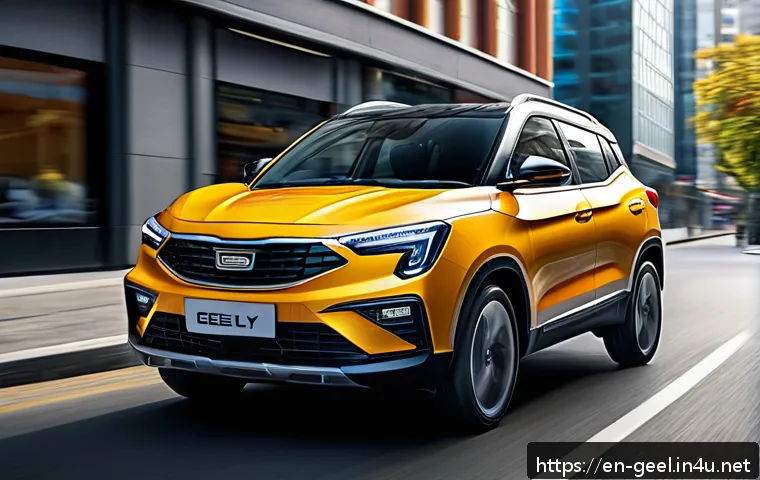
If you want to turn heads, the Xingyue’s bold grille, sharp lines, and aggressive stance make a strong statement. It’s a refreshing break from the usual compact SUV mold, and I noticed several passersby glancing twice as I parked.
The Tucson embraces a more mature, sleek look with smooth curves and a balanced profile that appeals to a broader audience. It doesn’t shout for attention but exudes confidence and sophistication.
Personal taste will heavily influence your pick here, but both vehicles succeed in standing out in a crowded segment.
Lighting and Visibility Features
Both SUVs come equipped with LED headlights and taillights, but the Xingyue adds signature daytime running lights that give it a distinctive face on the road.
Visibility at night was excellent in both models, with adaptive lighting features that adjust beam intensity and direction as you steer. The Tucson’s rear visibility benefits from a wide-angle rearview camera and optional parking sensors, which made parallel parking in tight spots feel less stressful during my city drives.
If lighting technology and nighttime safety are priorities, both models deliver, with slight stylistic advantages favoring the Xingyue.
Practicality and Everyday Usability
Daily Driving Comfort and Convenience
Living with either SUV day-to-day is a smooth experience, but nuances stand out. The Tucson’s quieter cabin and refined climate control system made rush hour traffic less taxing.
Small touches like soft-close doors and adjustable cargo floor height added to the feeling of thoughtful design. The Xingyue offers more aggressive climate control settings and a sportier seating position, which I found invigorating but possibly less suited for those seeking maximum relaxation.
Both SUVs provide ample cupholders, storage compartments, and easy-to-clean surfaces, which are crucial for families or active lifestyles.
Maintenance Ease and Dealer Support
Maintenance is often an overlooked factor, but it’s where the Tucson shines due to Hyundai’s extensive dealer network and reputation for affordable service.
Scheduling routine maintenance was hassle-free, and I found plenty of service centers nearby. The Xingyue, being a newer entrant in some markets, might require a bit more planning for service visits, and parts availability could be an issue depending on location.
For peace of mind and convenience, the Tucson’s aftersales support is a significant advantage.
Off-Road Capability and Adventure Readiness
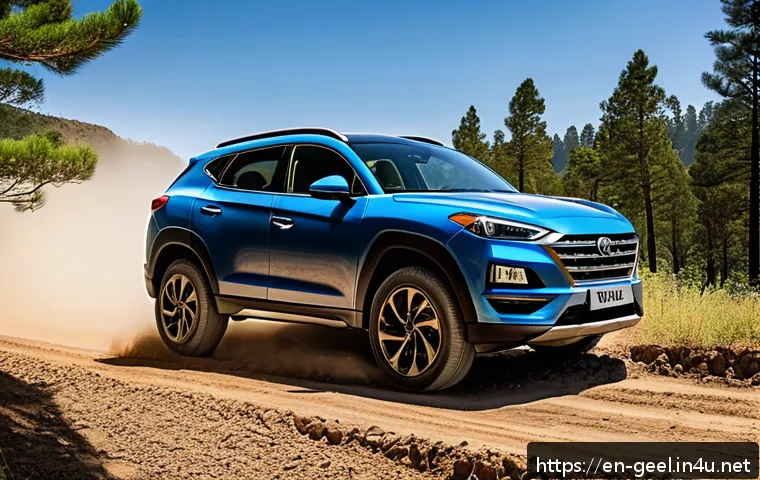
Though primarily urban vehicles, both SUVs offer all-wheel-drive options that handle light off-road conditions. The Xingyue’s sportier setup lends itself well to gravel roads and mild trails, delivering a fun, confident drive when you stray off pavement.
The Tucson, meanwhile, prioritizes stability and traction control, making it more forgiving and secure on slippery surfaces like wet roads or snow. If weekend adventures are on your agenda, the choice depends on whether you want a more dynamic feel (Xingyue) or a steady, composed ride (Tucson).
Both will get you there safely, but with subtly different character.
In Conclusion
Choosing between the Xingyue and Hyundai Tucson ultimately depends on your driving style and priorities. Whether you favor a sportier, more dynamic experience or a comfortable, efficient daily driver, both SUVs deliver strong value in their own ways. After spending time with both, I can say each has unique strengths that cater to different lifestyles and preferences. Whichever you pick, you’re getting a capable and well-rounded compact SUV.
Useful Information to Keep in Mind
1. The Xingyue offers turbocharged engines that provide a lively driving experience, while the Tucson focuses on smoothness and fuel efficiency with its hybrid options.
2. Interior comfort varies: Xingyue leans toward luxury finishes, whereas the Tucson emphasizes practicality and ergonomic design.
3. Both SUVs come with comprehensive safety features, but the Tucson has a slight edge in crash test ratings and warranty coverage.
4. Infotainment systems are modern and user-friendly on both models, with the Xingyue offering more customization and premium audio options.
5. Maintenance and resale value tend to favor the Tucson thanks to Hyundai’s extensive dealer network and established reputation.
Key Takeaways
When deciding between these two compact SUVs, consider your main needs: if you want a sportier drive with advanced tech flair, the Xingyue stands out. However, if long-term reliability, comfort, and cost-effective ownership are your priorities, the Hyundai Tucson is a smart choice. Both vehicles excel in safety and everyday usability, so personal preference and lifestyle will guide the best fit for you.
Frequently Asked Questions (FAQ) 📖
Q: How do the Xingyue and Hyundai Tucson compare in terms of fuel efficiency?
A: When it comes to fuel efficiency, the Hyundai Tucson generally has the edge, especially with its hybrid variants that deliver impressive mileage for city and highway driving.
The Xingyue, while sporty and powerful, tends to consume a bit more fuel due to its performance-focused engines. If saving on gas is a priority for your daily commute, the Tucson’s balance of power and economy might suit you better.
I’ve personally noticed that the Tucson’s hybrid model makes longer trips feel less stressful at the pump.
Q: Which compact SUV offers better technology and driver assistance features?
A: Both the Xingyue and Tucson come loaded with modern tech, but the Tucson shines with its user-friendly infotainment system and a wider array of standard safety features like adaptive cruise control, lane-keeping assist, and blind-spot monitoring.
The Xingyue offers impressive tech as well, often boasting more premium interior materials and some advanced driver aids, but those can sometimes be reserved for higher trims.
From my experience, the Tucson’s intuitive interface makes it easier to stay connected and focused on the road.
Q: Which SUV provides better overall value for money?
A: Value depends on what you prioritize. The Hyundai Tucson is well-known for its reliability, strong resale value, and a comprehensive warranty, making it a smart long-term investment.
The Xingyue, on the other hand, appeals to those seeking bold styling and a more dynamic driving experience, often at a competitive price point. If you want a dependable daily driver with solid after-sales support, the Tucson is a safe bet.
But if turning heads and spirited drives excite you, the Xingyue could be worth the extra consideration. In my view, both deliver great bang for your buck depending on your lifestyle.