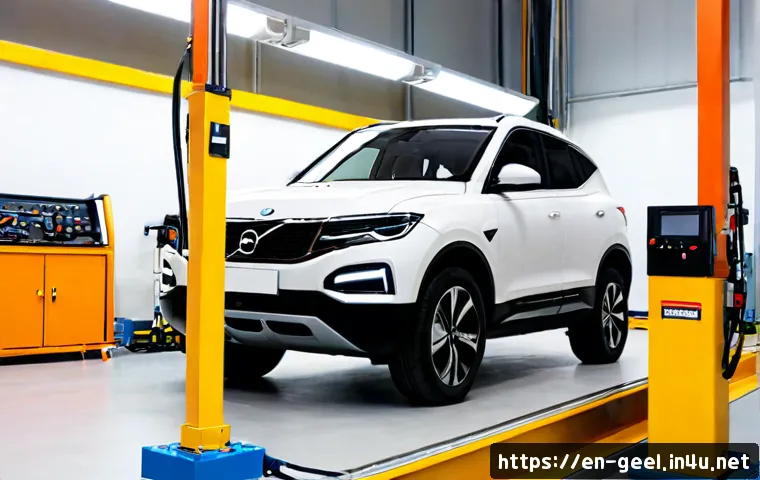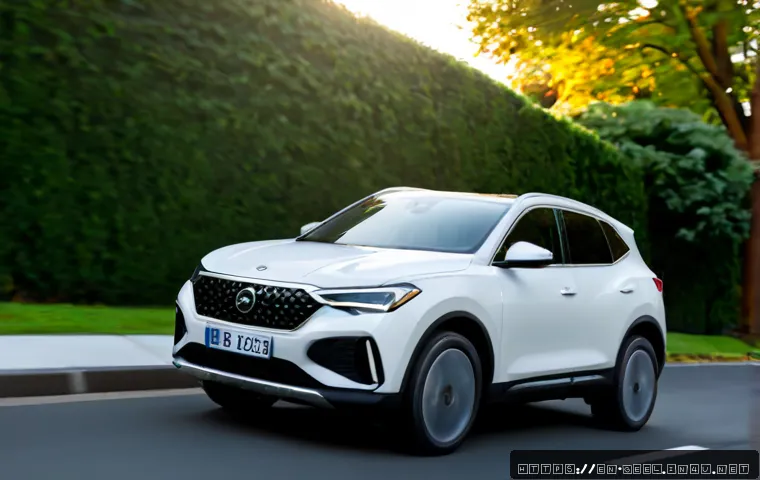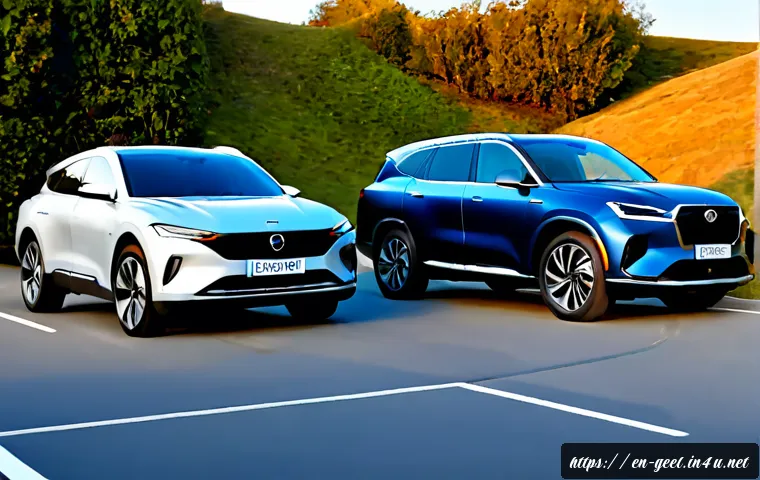
The Geely Emgrand EV can make sense for drivers who want a compact electric sedan and have confirmed local sales, service, warranty, and charging support.

The Tesla Model Y may suit buyers who need SUV-style cargo flexibility and can justify its total local ownership cost, charging access, and insurance quote.
Do not choose between them on advertised range or badge alone. Their body styles create very different daily-use experiences, especially for rear-seat access, loading, parking, and family trips.
Before discussing finance payments, compare the exact model year, trim, charging port, and warranty status available in your area. A lower purchase price can lose its advantage if parts, repairs, compatible charging, or insurance are difficult to arrange.
The best choice is the one that fits your parking situation, driving routine, local EV infrastructure, and service network.
At a Glance
- Geely Emgrand EV: A compact electric sedan that may fit budget-focused city driving when local support is confirmed.
- Tesla Model Y: A compact electric SUV/crossover that may better suit buyers prioritizing cargo flexibility, ride height, and family usability.
- Before comparing specifications: Verify local service, charging compatibility, and the full ownership cost for the exact vehicle offered.
| Decision area | Geely Emgrand EV | Tesla Model Y |
|---|---|---|
| Vehicle type | Generally positioned as a compact electric sedan | Generally positioned as a compact electric SUV/crossover |
| Best first question | Is it officially sold, serviced, and warrantied locally? | Which local version, connector arrangement, and charging access apply? |
| Daily practicality | May suit predictable commuting and sedan-friendly parking | May suit drivers needing easier loading, higher seating, and flexible cargo use |
| Home charging | Depends on parking, electrical capacity, rules, and installer requirements | Depends on parking, electrical capacity, rules, and installer requirements |
| Ownership-cost focus | Purchase route, service access, parts, warranty validity, insurance | Finance payment, insurance, tires, charging setup, local support |
Quick Answer: Choose Based on Local Support, Space, and Charging Access
Who the Emgrand EV may suit
The Geely Emgrand EV may be a practical option for a driver who wants a compact electric sedan, follows a predictable daily route, and can charge reliably at home or nearby. It deserves the closest look when the vehicle is officially supported in your market or when a seller can clearly document service arrangements, parts availability, and valid warranty coverage. A sedan can be entirely sufficient for commuting, errands, and normal passenger use.
The important caution is simple: a low entry price is not the same as a low ownership cost. If the vehicle is imported or sold outside an official network, confirm who will handle repairs, diagnostics, battery-related warranty questions, and compatible charging equipment before paying a deposit.
Who the Model Y may suit
The Tesla Model Y may fit buyers who place more value on SUV-style access, cargo flexibility, and connected-car features. Its crossover shape can matter more than a range comparison when you regularly carry larger items, use child seats, transport passengers who prefer a higher seating position, or want easier loading.
However, do not assume every Model Y has the same charging access, connector arrangement, software functions, driver-assistance availability, or warranty terms. These can depend on the market, vehicle version, and local network. Request an insurance estimate and review the exact vehicle details before treating a monthly finance payment as the full budget.
The three checks to make before comparing specifications
First, check official local support: dealer service, approved repair access, parts lead times, and warranty validity. Second, check charging compatibility: the vehicle port, public fast-charging options, and whether your home parking can support an installation. Third, check the exact vehicle identity: model year, trim, battery condition for used vehicles, and whether it is a local or imported example.
These checks prevent a common mistake: comparing a well-supported local vehicle with an imported vehicle that looks cheaper but has uncertain support.
Compare the Ownership Priorities That Matter More Than the Badge
Sedan versus SUV practicality: seating, cargo, and daily access
The biggest difference is not the logo. It is the shape. The Emgrand EV’s sedan format may be easier to view as a straightforward commuter car. The Model Y’s SUV/crossover layout may be more useful if you need flexible cargo space, frequent rear-seat access, or a higher ride height.
Think about your normal week. Do you carry only a bag and groceries, or do you regularly load bulky items? Do passengers need easy rear-seat entry? Is your parking space tight? Daily loading and passenger access often matter more than headline range when choosing between a sedan and an SUV.
Charging compatibility, home charging, and long-trip planning
Charging should be checked before purchase, not solved afterward. Home charging feasibility depends on your parking arrangement, electrical capacity, local regulations, and installer requirements. Apartment residents and drivers with shared parking should confirm permission and installation options early.
For public charging, verify the exact port on the vehicle you are considering and the compatibility of local charging stations. Tesla Model Y charging access can vary by market and vehicle version. An Emgrand EV sold through a different market may also have a charging setup that requires careful checking. For longer trips, map likely routes and confirm practical charging stops rather than assuming that any fast charger will work.
Compare local home EV charger installation quotes before finalizing your vehicle budget. The relevant question is not just “Can I charge?” but “Can I charge conveniently and consistently where I live?”
Software, driver-assistance availability, and connected-car features
Software and connected features can influence ownership satisfaction, but they should be compared by the exact local vehicle. Availability may differ by country, model year, trim, and subscription or service conditions. Do not rely on a feature list from another market.
Ask the seller which features are active on the vehicle today, whether they remain available after a resale, and whether local service can support them. Treat driver-assistance systems as assistance features, not a replacement for attentive driving. A feature that is unavailable, unsupported, or restricted locally should not be part of the buying decision.
Price, Running Costs, and Value: Build a Local EV Budget
Upfront price versus finance payment
A purchase-price comparison is only a starting point. If you are financing, compare the total finance structure, not merely the advertised monthly payment. Your down payment, term, applicable local rates, and vehicle-specific conditions can change the real cost.
Build two separate budgets: one for the initial purchase and one for ongoing ownership. This makes it easier to see whether a lower-priced sedan remains the better value after insurance, charging equipment, and possible support limitations are included.
Electricity, insurance, tires, maintenance, and charging equipment
EV running costs can include electricity, insurance, maintenance, tires, registration or road charges, and potential battery-related warranty considerations. Each item can vary locally and by driver profile. Larger or heavier vehicles may have different tire needs, while insurance premiums can differ substantially between models and individual circumstances.
Request insurance quotes for both vehicles using the exact model year and vehicle details where possible. Also ask an electrician or qualified installer what is required for home charging at your property. These steps are more useful than assuming one EV will automatically be cheaper to own.
Warranty, resale value, and imported-vehicle risk
A used or imported EV may have different warranty coverage, parts availability, and charging compatibility from a vehicle sold through an official local channel. Verify whether the warranty transfers, whether battery-related coverage applies in your country, and who can perform repairs.
Resale value and repair turnaround time are also local questions. Do not assume that demand or service conditions from another country will apply where you live. If documentation is incomplete, treat that as a reason to investigate further, not as a minor detail.
What to Verify Before Buying New, Used, or Imported
Confirm the exact model year, battery condition, and charging port
Names alone are not enough. Confirm the exact model year and trim, because battery specifications, charging capability, equipment, and market configuration can differ. For a used EV, request clear documentation on the vehicle’s condition and arrange an appropriate used-EV inspection where available.

Also inspect the charging port and verify compatibility with the stations you expect to use. Do not assume an adapter solves every issue; compatibility depends on the vehicle, local charging equipment, and applicable requirements.
Check official service access, parts lead times, and warranty transfer rules
Ask direct questions: Where will routine service happen? Who can diagnose faults? How are parts ordered? Does the warranty transfer to a new owner? A seller should be able to provide documentation or direct you to an official source for these points.
This is especially important when considering an imported Emgrand EV or any vehicle brought in from another market. Local service support is a major ownership feature, even though it is rarely as visible as range or screen size.
Avoid range comparisons that use different testing standards
Range figures can be misleading when they come from different test cycles, trims, weather conditions, wheel choices, or driving patterns. Compare like with like only: the same type of rating where possible, similar vehicle configurations, and your own expected use.
For many buyers, reliable charging at home or near work matters more than a small difference in a published range number. Plan around your routine rather than an idealized test result.
Which Type of Driver Benefits Most From Each Option?
City commuters with predictable daily routes
A city commuter with dependable charging and modest cargo needs may find that a compact electric sedan is enough. In this situation, the Emgrand EV can be worth considering if its local purchase route, warranty, and service support are clear.
Do not overlook insurance and parking constraints. A vehicle that fits your usual space and can be charged without complicated arrangements is often the easier daily choice.
Families and drivers who need cargo flexibility
Drivers who frequently carry passengers, pushchairs, sports equipment, or larger shopping loads may prefer the Model Y’s SUV/crossover format. The higher seating position and cargo flexibility may justify a larger budget for some households.
That does not make it automatically better. Confirm whether the added utility is something you will use regularly, then compare the full cost of financing, insurance, tires, and charging setup in your market.
Buyers without home charging or with limited local service
If you cannot install home charging, spend more time checking public charging access and your weekly driving pattern. Convenience varies widely by neighborhood, workplace, and travel route. A vehicle with uncertain connector compatibility or limited service support can create avoidable friction.
For buyers facing limited local service, a well-documented vehicle with accessible repairs may be safer to own than a seemingly attractive import with unclear support.
Selection Criteria and Comparison Summary
Choose the Emgrand EV when a compact sedan fits your life and you have confirmed local sales or service support, compatible charging, valid warranty coverage, and a sensible total budget. Choose the Model Y when SUV utility, cargo access, and the applicable local charging ecosystem justify the higher overall commitment. Before signing, compare local home-charger installation quotes, request insurance estimates for both vehicles, verify the charging port, review warranty terms, and arrange a test drive and used-EV inspection when relevant. Official guidance and detailed conditions should be checked on the relevant seller, service, insurer, and charging-installation pages.
Final Thoughts
The Geely Emgrand EV and Tesla Model Y are not direct substitutes in the usual sense because one is generally a compact sedan and the other is a compact SUV/crossover. Your best decision starts with support, charging, and daily practicality rather than a single specification. A carefully verified sedan can be the sensible choice for predictable commuting. An SUV may be worth more when its space and access genuinely improve everyday use.
Useful Information to Know
1. Check the local version: Trim names, batteries, prices, and equipment can differ by market.
2. Price the whole setup: Include insurance, electricity, tires, registration or road charges, and home-charging equipment.
3. Inspect used and imported vehicles carefully: Confirm battery condition, charging port, service history, and warranty status.
4. Compare charging in real life: Check your home, workplace, and usual travel routes.
Important Notes
Current purchase prices, incentives, finance rates, insurance premiums, precise battery specifications, range, charging speed, software features, and resale values must be verified locally for the exact vehicle. Availability of the Geely Emgrand EV, official service support, parts supply, and warranty coverage may vary by country. Tesla Model Y charging access, connector compatibility, features, and warranty terms are also market-dependent.
Frequently Asked Questions
Q1. Is the Tesla Model Y worth the extra cost compared with a Geely Emgrand EV?
A1. It can be worth the extra cost if you will regularly use its SUV-style cargo flexibility, seating access, and the charging and service arrangements available in your market. If your driving is mainly predictable commuting and a compact sedan meets your space needs, the Emgrand EV may be sufficient—but only after confirming local support, warranty, and charging compatibility.
Q2. Can I buy a Geely Emgrand EV safely if it is not officially supported in my country?
A2. Do not treat it as a routine purchase without verification. Check who can service it, how parts will be sourced, whether warranty coverage is valid, whether the charging port works with local infrastructure, and whether a qualified inspection is available. An imported EV can have different support conditions from a locally sold vehicle.
Q3. What costs should I compare besides the EV’s purchase price?
A3. Compare electricity, insurance, maintenance, tires, registration or road charges, home-charger installation, financing terms, and possible warranty-related considerations. Request insurance estimates for both vehicles and compare local charging-installation quotes before making a final decision.